
Nanoplastics are extremely small plastic particles measuring less than 1 micrometer (μm; one-thousandth of a millimeter). They form as larger plastic materials break down over time and can enter the body through food and drinking water. Often accumulating in tissues ranging from the brain to the human fetus, nanoplastics are essentially everywhere at this point. The main intake of these nanoplastics comes from food, water, and the air we breathe.
Lacticaseibacillus paracasei and Lactiplantibacillus plantarum species show one of the best binding capacities for plastics in food and water. DT66 and DT88 subspecies achieved a 67% reduction of residual polystyrene particles inside the intestines. And while these show exceptional talent among the species, all L. paracasei and L. Plantarum have the mechanism of action that takes to remove a good portion of plastics. Lactic Acid or Lactobacillus bacteria are great at trapping nanoplastics is due to their cell walls, which are naturally packed with specific proteins, teichoic acids, and a negative electrostatic charge that acts like microscopic Velcro and traps micro and nanoplastics.
For the vast majority of people, these bacteria remain in the gut for only 3 to 7 days (sometimes up to 14 days) after you stop consuming them. The best places to find them are:
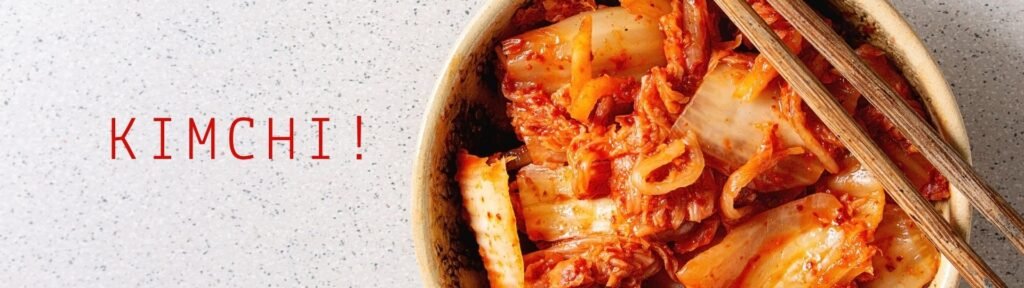
- Kimchi
- Sourkraut
- Kefir
- Yoghurts
- Supplements