Micro and Nanoplastics are extremely small plastic particles that we ingest and breathe through the day. They form as larger plastic materials break down over time and can enter the body through food and drinking water. Often accumulating in tissues ranging from the brain to the human fetus, micro and nanoplastics are essentially everywhere at this point from the peak of Everest to the depths of the ocean and unfrotunately they are inside us these days since our birth, a consequence of the proliferation of the use of plastics around the world and the unsafe handling and disposal of these materials.
Micro and Nanoplastics are inherently inert particles that often embed into tissues and sometimes, especially the nanoplastics go straight into our cells. While the full extent of their impact or consequences on our health is yet to be quantified, one thing is sure – they are not supposed to be there. Nano and Microplastics are definitely a public health issue, and awareness of these is increasing by the day. We know that these might interfere with hormone signaling and even contribute to cardiovascular events, from a stroke to a heart attack, albeit to a much smaller scale than cholesterol buildup.
Unfortunately, once they are in, it is very difficult to get rid of them and therefore they tend to accumulate. And while the human body is equipped to deal with natural inert particles that don’t break down, such as silica and similar, plastics are definitely overloading our bodies and not to mention nature.
It is therefore important to at least try to prevent their ingestion and respiration of these particles. One of the main sources for inhaling these is tire wear and plastic-based clothing like polyester and nylon. To reduce breathing these particles, try these simple changes that can reduce intake, sometimes dramatically:
- Using a KN95 Mask on congested roads
- Installing a HEPA Filtration system in your room or home
- Reducing the wear of polyester, nylon, and similar plastic-based fabrics
- Reducing the amount of plastic in the home
Drinking micro and nanoplastics can also be avoided fairly easy:
- Use Glass and Aluminium bottles
- Installing a quality water filter, like some Britta filters
- Avoiding plastic packaging that touches liquids or foods directly
However, with food, this gets much trickier, because a lot of these foods come from micro and nanoplastics either from their processing or even the cultivation of vegetables and fruits. Meats from fish to beef also can contain these, especially due to many of the packaging options out there. So, how to avoid plastic ingestion from food? The answer might be surprising
Hello Probiotics!
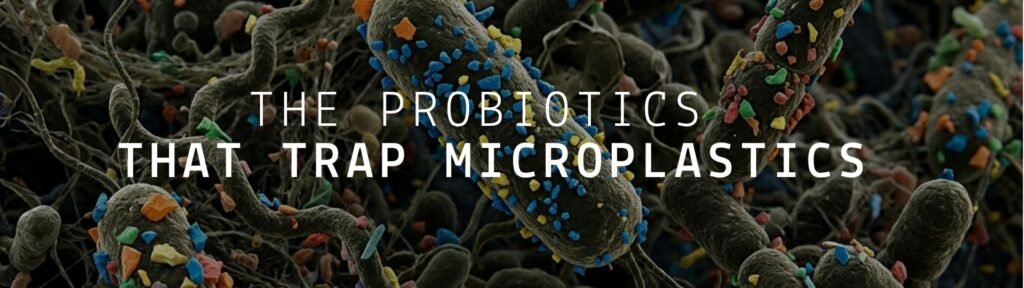
Lacticaseibacillus paracasei and Lactiplantibacillus plantarum species show one of the best binding capacities for plastics in food and water. DT66 and DT88 subspecies achieved a 67% reduction of residual polystyrene particles inside the intestines. And while these show exceptional talent among the species, all L. paracasei and L. Plantarum have the mechanism of action that takes to remove a good portion of plastics. Lactic Acid or Lactobacillus bacteria are great at trapping nanoplastics is due to their cell walls, which are naturally packed with specific proteins, teichoic acids, and a negative electrostatic charge that acts like microscopic Velcro and traps micro and nanoplastics.
For the vast majority of people, these bacteria remain in the gut for only 3 to 7 days (sometimes up to 14 days) after you stop consuming them. The best places to find them are:
- Fermented Cheeses ( Blue, Brie, etc. )
- Kimchi
- Sourkraut
- Kefir
- Yoghurts
- Supplements
The more fermented, the better. Of course, there is a limit to fermentation when it tips the actual fermented food into the inedible territory, but generally speaking, the more it is fermented, the more of these beneficial bacteria it will have, so next time you pick a blue cheese or a soft fermented cheese like Brie or Camembert, the smellier the better!